Blog ·
Cleaning Different Upholstery Fabrics: A Guide to Safe and Effective Care
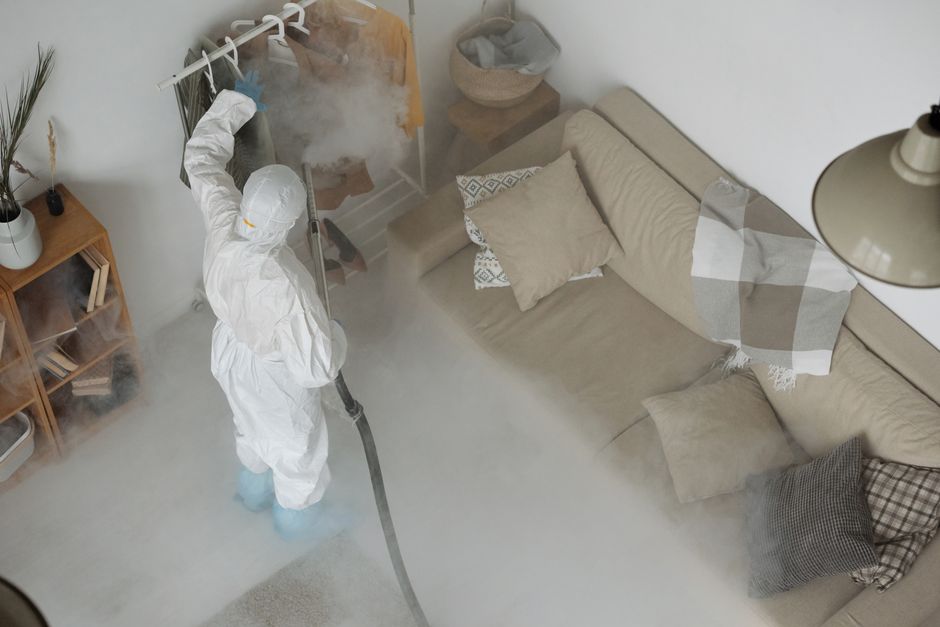
Upholstered furniture is a centerpiece of home comfort, but caring for different fabric types requires specific approaches. Each material has unique characteristics that demand tailored cleaning methods to prevent damage while maintaining appearance and longevity.
Understanding Your Fabric Type
Before cleaning any upholstered piece, identify the fabric content. Check for a manufacturer's tag indicating fiber composition and recommended cleaning methods. Common upholstery materials include natural fibers like cotton and wool, synthetic blends, leather, and microfiber. Each responds differently to moisture, heat, and cleaning agents, so proper identification is your first line of defense against damage.
Cleaning Natural Fiber Upholstery
Cotton and linen upholstery can handle water-based cleaning solutions, but require careful moisture management. Use minimal water and allow thorough drying to prevent mildew and mold growth. Work section by section, applying cleaning solution sparingly, then extracting with a damp cloth. For wool upholstery, use even gentler methods—wool felts and shrinks easily when saturated. Many wool pieces benefit most from professional dry-cleaning methods.
Synthetic Fabrics and Microfiber
Microfiber and polyester blends tolerate water-based cleaning well, making them popular choices for busy households. These materials resist staining and allow aggressive scrubbing without damage. However, microfiber can become matted if over-wetted. Use medium pressure and controlled moisture for best results. Some synthetic fabrics may pill or snag, so avoid rough brushes and scrubbing motions.
Special Considerations for Leather
Leather requires entirely different treatment than fabric upholstery. It should never be saturated with water or harsh chemicals. Instead, use specialized leather cleaner and conditioner designed to maintain the material's suppleness and prevent cracking. Regular conditioning is essential, as leather dries out over time.
Establishing a Cleaning Schedule
Light weekly vacuuming with an upholstery attachment removes dust and prevents soil buildup. Spot-clean spills immediately by blotting with a dry cloth before they set. Plan deeper cleaning one to two times yearly, depending on use and fabric type. High-traffic furniture may need professional attention more frequently.
Understanding your upholstery's specific needs protects your investment and keeps furniture looking and feeling fresh. When in doubt about proper care methods, professional cleaning services can assess your pieces and recommend the safest, most effective approach for your particular fabrics.